Hong Kong Flower Market Seasons What's in Season, Month by Month
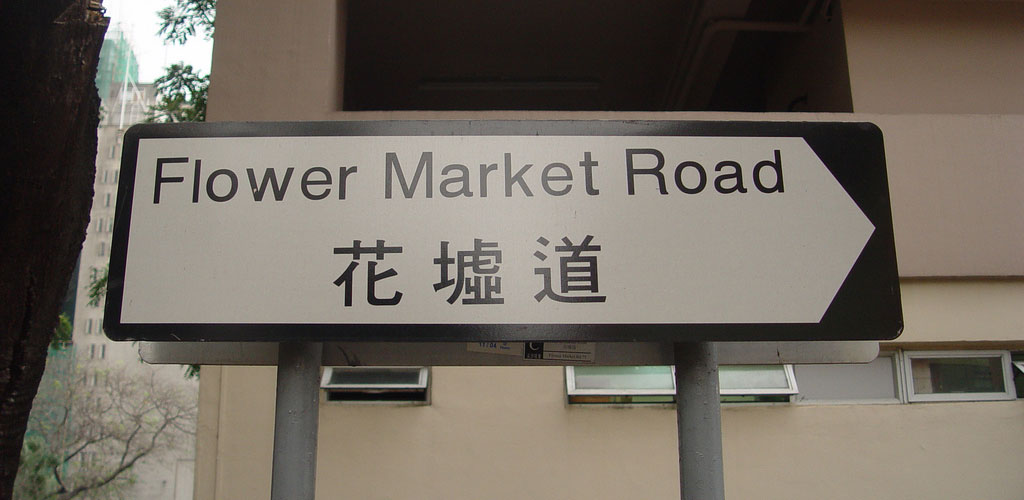
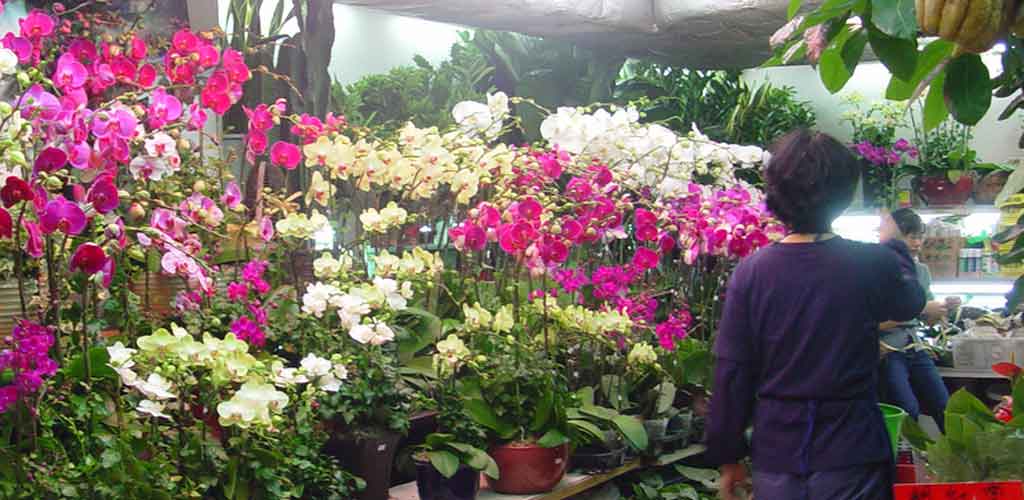
Hong Kong's Flower Market never really closes for the season. The shops along Flower Market Road are supplied year-round by commercial growers rather than from Hong Kong fields, which is why the market's standing lines - roses, lilies, orchids, chrysanthemums, foliage and potted plants - are stocked year round. What changes is what the festival calendar pulls onto the street - kumquat trees and peach blossom in the run-up to Chinese New Year, roses in February, chrysanthemums as the year cools - and what the same bunch costs once a peak week arrives. This page sets out what you will find month by month, what it costs, and how to buy it well.
🌸 The 2027 Season at a Glance
- Chinese New Year: Saturday 6 February 2027 - the market's busiest season, and most shops shut on the first day
- FEHD flower fairs: 31 January to 6 February 2027, at 14 locations across Hong Kong
- Valentine's Day: Sunday 14 February 2027 - just eight days after Chinese New Year
- Hong Kong Flower Show: 12 to 21 March 2027, Victoria Park, Causeway Bay
- Mother's Day: Sunday 9 May 2027 - the third-busiest flower-buying weekend of the year
- Autumn: chrysanthemums for Mid-Autumn and the cool season that follows
- Where: Flower Market Road, Prince Edward / Mong Kok, Kowloon - MTR Prince Edward Station, Exit B1, about a 3 to 4 minute walk
How the Market's Year Actually Works
Flower Market Road is a working wholesale and retail district rather than a seasonal garden. More than 100 shops line it and the streets that run off it - Prince Edward Road West, Sai Yee Street and Yuen Po Street - and one count puts the district at 122 ground-floor shops across those four streets. Because almost everything sold here is bought in from commercial growers rather than cut from local fields, seasonality works differently from a European flower market: a "season" at the Flower Market is a buying season, driven by the festival calendar and by when the import shipments land, not by what happens to be flowering in Hong Kong that month.
That is good news for a visitor. Whatever week you plan your trip, the market will be full. The question worth asking is not "what is available" but "what is worth buying now, and what will it cost me" - and the answer turns on three things: the two buying peaks, the festivals that pull particular plants onto the street, and the wholesale-versus-retail split inside the market itself.
The Two Peaks of the 2027 Season
Chinese New Year falls between 21 January and 20 February each year, and in 2027 it lands on Saturday 6 February. From the middle of January the market begins to fill with kumquat trees, peach blossom branches, pussy willow, forced narcissus and phalaenopsis orchids, and it stays that way until the holiday. The pattern is well established: the earlier in the run-up you visit, the wider the choice and the softer the prices, while the final days bring the biggest selection at the highest prices. The single busiest day of the whole year is Chinese New Year's Eve, Friday 5 February 2027. Most shops shut on the first day of the festival itself, Saturday 6 February, and open again after that - so plan the last purchase for the eve.
Alongside the shops, the Food and Environmental Hygiene Department runs the Chinese New Year flower fairs, which in 2027 run for seven days from Sunday 31 January to Saturday 6 February, closing in the early hours of the first day of the festival, at 14 locations across Hong Kong. Victoria Park is the largest, with around 400 stalls. The most convenient for anyone already at the Flower Market is Fa Hui Park, which sits beside Flower Market Road, with 126 stalls; across all venues the 2027 fairs offer roughly 939 wet goods stalls (flowers, plants and potted trees) and 599 dry goods stalls (decorations, festive goods and snacks). Buying at the shops first thing and then walking over to the fair to compare prices is a sensible half-day.
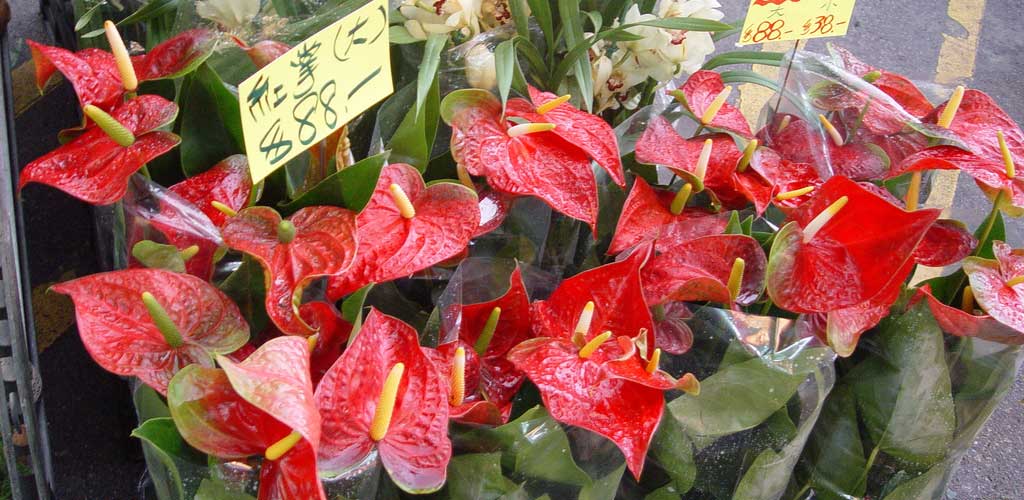
Eight days after the holiday, on Sunday 14 February, comes Valentine's Day - the market's second peak, and in 2027 a compressed one. Roses are the whole story: red roses dominate, shops move their imported Dutch and Kenyan lines to the front, and last-minute buying peaks on 13 and 14 February. The market was pricing single stems at around HK$38 to HK$80 in February 2026, with bouquets from about HK$300 to HK$1,080; local media reported a 99-rose bouquet at roughly HK$2,000 that year. If 14 February matters to you, buy a day or two early rather than on the day itself.
📅 Chinese New Year 2027 - Key Dates
- 8-10 January: Farm Fest (Local Fishery, Agricultural and Food Products Carnival) at Fa Hui Park, 10:00-20:00, free entry - an early warm-up for the flower season
- 31 January: FEHD Chinese New Year flower fairs open at 14 locations
- 5 February: Chinese New Year's Eve - the busiest day of the year at the market
- 6 February: Chinese New Year Day 1 - most Flower Market shops closed; fairs close in the early hours
- 14 February: Valentine's Day - the second peak, eight days later
What's on the Street, Month by Month
The table below is a buyer's calendar rather than a botanist's: it shows what the market is stocked and busy with in each month of 2027, and what is driving it. Standing lines - roses, lilies, chrysanthemums, orchids, foliage, potted plants - are present all year and are marked where they dominate.
| Month | What the market is full of | What is driving it |
|---|---|---|
| January | Kumquat and mini orange trees, peach blossom, pussy willow, forced narcissus, orchids, lucky bamboo | Chinese New Year stock moves onto the street from mid-month; Farm Fest at Fa Hui Park 8-10 January; FEHD fairs open 31 January |
| February | The New Year plants above, then a hard switch to red roses | Chinese New Year 6 February; most shops shut on the day; Valentine's Day 14 February, eight days later |
| March | Orchids and spring potted plants, garden stock, cut flowers for the show season | The Hong Kong Flower Show at Victoria Park, 12-21 March, with the China rose (月季花) as 2027's theme flower; garden planting season begins |
| April | Lilies and spring potted plants; orchid specialists at their fullest | The Hong Kong Orchid Society's annual exhibition traditionally falls in the spring (2027 dates announced separately) |
| May | Carnations, roses, lilies and orchid arrangements | Mother's Day, Sunday 9 May - a medium bouquet was costing HK$300 to HK$400 in May 2026 |
| June | Tropicals, foliage and local stock carry the displays as the heat builds | Dragon Boat Festival, 9 June - calamus and mugwort are the traditional buys; summer heat starts to bite |
| July | Imported roses, foliage, potted indoor plants; one of the quieter months of the year | No festival driver - the best month to browse and to negotiate without a crowd around you |
| August | Foliage, preserved and dried lines, hardier potted plants | Peak heat and typhoon season; imported orchid lines are especially exposed to supply disruption |
| September | Chrysanthemums and potted flowering plants; osmanthus | Mid-Autumn Festival - chrysanthemums and osmanthus are the traditional flowers of the festival |
| October | Chrysanthemums at their best, plus autumn garden stock | The cool-season flowering for which the chrysanthemum is famous; the LCSD horticulture courses and workshops (1/F Kowloon Park, about 15 minutes away) run through the autumn |
| November | Chrysanthemums, houseplants, terrarium and indoor-garden supplies | Kadoorie Farm's Countryside Eco Festival and the LCSD terrarium workshop draw plant lovers out (both 2026 dates; 2027 not yet announced); winter potted stock begins to arrive |
| December | Poinsettias, amaryllis and red roses for the Christmas market, then forced narcissus and hyacinth for the New Year | Christmas demand; from late December the pre-Chinese New Year forcing stock appears in ceramic pots |
Two lines are worth planning around. Roses are at their cheapest in ordinary weeks and at their dearest in the week before Valentine's Day; chrysanthemums are the flower of the last quarter, sold as both cut stems and potted plants. Everything else is a matter of what the importers happen to have landed that week.
What It Costs: Three Tiers, One Market
The most useful pricing fact about Flower Market Road is that its two ends are two different markets. The shopfronts facing the street sell retail, by the stem or the arrangement. The wholesale sections behind them sell by the bunch, which is why the same flowers cost markedly less a few metres away. Expect to pay roughly three different prices for comparable work depending on which tier you buy from.
| Where you buy | Typical price | What that gets you |
|---|---|---|
| Flower Market, retail shopfronts | HK$300-400 for a medium bouquet | Assembled bouquet from the market itself; local reporting in May 2026 put this band about 20% below May 2025 levels |
| Flower Market, wholesale sections | By the bunch, not the stem | Loose stock sold by the bunch rather than by the stem; cheapest for filler foliage, spray roses and anything bought in quantity |
| Boutique florists off-market | HK$600-1,500 mid-range; HK$1,228-1,780 signature; HK$1,039-2,999 luxury | Design, delivery and branding; the same flowers, arranged and sent on your behalf |
| Peak season (Chinese New Year, Valentine's Day) | Valentine's single stems around HK$38-80; bouquets around HK$300-1,080 | Roses bought in the peak week; prices climb through the week rather than holding flat |
Mother's Day sits closest to a normal week: a medium bouquet was selling for HK$300 to HK$400 in May 2026, roughly a fifth cheaper than the year before. Chinese New Year is the opposite - the market is worth visiting early in January precisely because the same plants get more expensive as the holiday approaches.
How to Buy Well
Bargaining at the Flower Market is quiet rather than theatrical. Prices are set per bunch or per arrangement, staff will assemble your bundle for you, and the fastest way to a good outcome is to ask for a price on the whole bunch rather than selecting individual stems and negotiating afterwards. The market has more than 100 shops across four streets, which means comparison is genuinely cheap: walk the length of Flower Market Road, note two or three shops carrying the same line, and buy from the one with the firmest, greenest stock rather than the first one you see.
Timing does most of the work. Shopping in the morning pays off - deliveries have just landed, the best specimens are still on display, and it is far easier to examine a tree or a bundle of branches before the afternoon crowds arrive. If you are buying around Chinese New Year, buy early and expect the final three days before the eve to be the most expensive of the year.
⚠️ Three Things That Catch Visitors Out
- Most shops are shut on the first day of Chinese New Year - Saturday 6 February 2027. Plan the final purchase for Chinese New Year's Eve.
- Bring cash in small notes. Cash is strongly preferred and only a minority of stallholders take digital payment.
- The wholesale price is a bunch price. In the sections behind the shopfronts the stock is sold by the bunch rather than by the stem, and it is usually cheaper than the frontage.
Beyond the Flowers: The Prince Edward to Mong Kok Circuit
The Flower Market is the start of a single walkable circuit through some of the oldest street trading in Kowloon, and there is little reason to visit just one of its stops. Two minutes north along Yuen Po Street is the Yuen Po Street Bird Garden, a traditional garden of around 70 stalls selling songbirds, bamboo cages and bird accessories - best in the early morning, when the elderly bird-keepers gather. Five minutes south down Tung Choi Street is the Goldfish Market, some 40 to 50 aquarium shops whose illuminated bags of fish are a spectacle in their own right; goldfish are the market's signature auspicious purchase, the Cantonese name for them sounding like "gold surplus". Continue south on the same street and you reach the Ladies' Market, the clothing and souvenir street bazaar that stays open through most of the holiday period. Together they make a half day, and all three are within about fifteen minutes' walking of Flower Market Road.
If you want to compare the Flower Market against the city's other themed streets before you set out, our Flower Market versus other Hong Kong markets comparison and the nearby markets page set out what each one is good for.
Plan Your Visit for the Year Ahead
The details that matter most change with the lunar calendar, so check the current figures before you travel:
- Chinese New Year flowers 2027 - the lucky plants and how to choose them
- Chinese New Year flower market and Victoria Park fair guide
- Flower prices at the market, in detail
- Hong Kong events calendar 2027, with January, February and March in full
- Opening hours and how to get to the market
- What to buy, and the flower varieties you will find here
- Flower symbolism and feng shui, if the meaning behind the plant matters as much as the plant
Come in any month and you will find flowers; come in the right week and you will find them cheaper, fresher and with the street at its best. That is the whole trick to Flower Market Road - and the reason it rewards a little planning rather than a spontaneous stop.